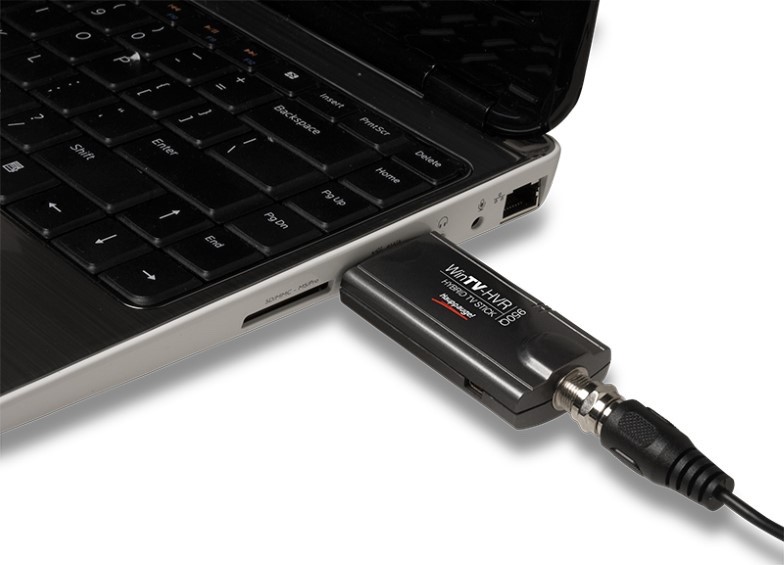
How to Share a TV Tuner over the Internet: TOP 3 Methods

Sharing a TV tuner used to be a niche technical challenge. Today, it’s a practical way to bring free over-the-air television to every screen in your home—or even to watch your local channels while away. Whether you’re using a modern stream OTA tuner, a media server, or software like USB Network Gate, you can turn one antenna into a network-wide streaming source.

This article explains each approach, when to use it, and how they compare in cost, performance, and control.

The Evolution of the TV Tuner: From Cable Box to Network Node

A TV tuner is the component that receives and decodes over-the-air (OTA) signals. Traditionally, each tuner served one television. But as networks, home servers, and remote access became mainstream, the tuner evolved from a single-device component into a shared network resource.

Sharing a tuner means one device receives the signal, but many devices can view it—on the same network or remotely. It’s the same idea behind streaming media servers, but focused on live broadcast TV.

tv tuner over internet

The Solution to Stream OTA Tuner

A stream OTA tuner (like HDHomeRun, Tablo, or AirTV) is a network-enabled tuner that not only receives antenna signals but also streams them digitally to other devices. It’s essentially a tuner with a built-in web server.

Instead of running a coaxial cable to each TV, you connect one antenna to the tuner and link it to your router. From there, you can watch live TV on any smartphone, tablet, PC, or smart TV connected to your home Wi-Fi. Most models also include DVR features, so you can record broadcasts directly to local or cloud storage.

For most users, this is the simplest and most stable way to share OTA television across devices. Setup usually takes minutes, and no manual network configuration is required.

Building a Media Server to share TV Tuner

If you prefer to manage your own system or already maintain a home server, you can share a tuner using media server software. Tools like Plex, Emby, Jellyfin, or Tvheadend can convert any connected tuner—USB or PCIe—into a full-featured TV streaming hub.

Here’s how it works:
You connect the tuner to your PC or NAS, install the server software, scan for channels, and let the system broadcast them across your network. Each client device—TV, laptop, tablet—connects to the server app to stream live or recorded content.

The advantages are flexibility and integration. You can schedule recordings, transcode streams for mobile viewing, and merge OTA TV with your existing media library. However, it does require more setup and maintenance. The server must remain powered on, and you may need to configure port forwarding or a VPN for remote access.

This method suits users who already have a home server and want full control over how and where their TV content is stored and delivered.

television tuner

Sharing a USB Tuner with USB Network Gate

If you already own a USB TV tuner, you don’t need to replace it with new hardware. You can extend it across your network—or even the internet—using USB Network Gate.

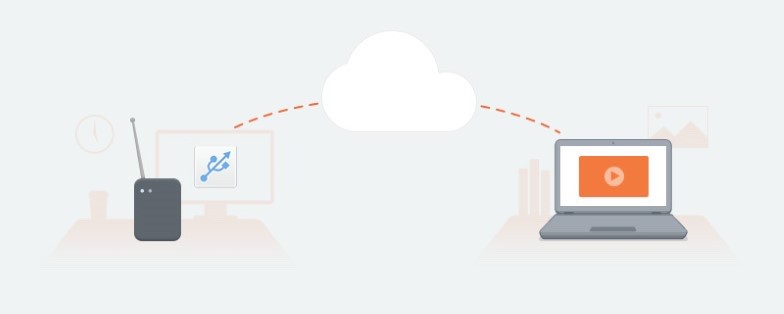
USB Network Gate is a professional utility that virtualizes USB connections over TCP/IP. It makes a USB device on one computer appear as if it’s plugged into another, even if the two systems are miles apart.

Here’s what that means for a TV tuner:

  1. Host Setup: Plug the tuner into a computer and install USB Network Gate. Use it to share the tuner device over your LAN or WAN.
  2. Remote Setup: On another computer, install the same software and connect to the shared device.
  3. Operation: The remote system recognizes the tuner as a local device. You can use any standard tuner software, such as VLC, Windows Media Center, or third-party DVR tools, to scan channels and stream content.


This approach lets you access your tuner from anywhere with a secure network connection. It’s particularly useful for remote monitoring setups, multiple user environments, or simply reusing existing hardware without purchasing a dedicated network tuner.

While USB Network Gate isn’t a media streaming platform—it doesn’t compress or transcode video—it’s a powerful transport layer. Performance depends on network bandwidth and latency, so a stable high-speed connection is recommended. For remote access, using a VPN ensures both security and reliability.

Choosing the Right Method for Your Environment

Each approach has its strengths. The decision depends on your hardware, technical skill, and streaming requirements.

  • Stream OTA tuners (HDHomeRun, Tablo, AirTV): Best for plug-and-play home setups. Reliable, simple, and designed specifically for consumer streaming.
  • Media servers (Plex, Emby, Jellyfin, Tvheadend): Ideal for users who already operate a home server or want advanced DVR and transcoding features.
  • USB Network Gate + USB tuner: Perfect when you want to reuse existing USB hardware, access your tuner remotely, or create a custom distributed setup.


All three paths achieve the same result: one antenna and one tuner serving multiple devices. The difference lies in how much you want to manage behind the scenes.

Key Considerations: Bandwidth, Security, and Stability

Regardless of your method, performance depends on three factors:

  • Bandwidth: Streaming HD content remotely requires at least 5–10 Mbps upstream.
  • Security: Always use a VPN for remote access. Avoid exposing open ports directly to the internet.
  • Signal Quality: A strong antenna signal at the source is essential. No software can compensate for weak reception.


These factors directly influence stream quality, reliability, and your long-term satisfaction with the setup. The tools for sharing OTA television have matured. You no longer need to choose between convenience and control.

Each path transforms a traditional TV tuner into a flexible, network-ready broadcast device capable of serving multiple viewers and locations. Once configured, you’ll have a modern OTA streaming system that rivals paid services—powered entirely by your own antenna.