Virtual USB Ports on Remote Computers

The lack of USB ports on a computer can be solved with the help of USB sharing. USB Network Gate allows a computer to share its USB devices on a local network or the Internet, with virtual ports being an option for remote users or virtual machines that don’t have a free USB port for the device. They behave the exact same way as a physical port.

Use Cases for Virtual USB in USB Network Gate

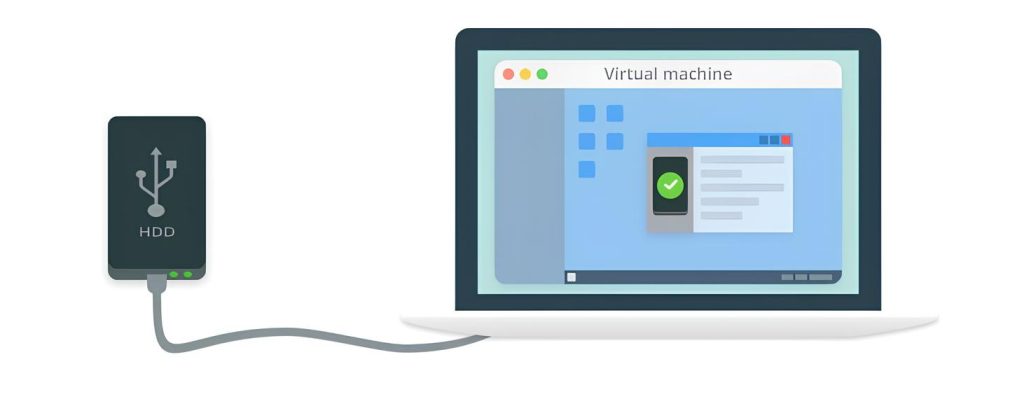
An external hard drive being accessed from a VM

Providing USB ports for virtual machines. USB Network Gate is compatible with VMware, Citrix XenDesktop, Hyper-V, and more. For many VMs, it’s a superior option to native USB passthrough due to supporting more types of USB devices. Follow this link to learn more about using USB Network Gate in virtual machines.

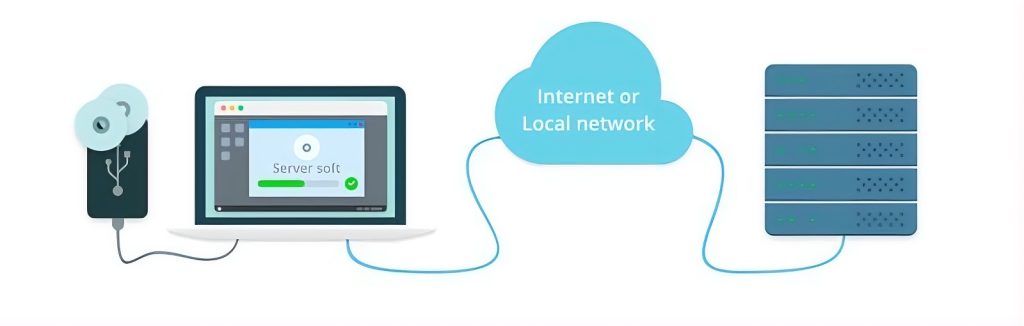
A server having software installed on it from a USB storage device

Accessing local USB devices in RDP sessions. Instead of relying on native USB redirection provided by your RDP client, you can guarantee success and even connect device types that are not supported natively.

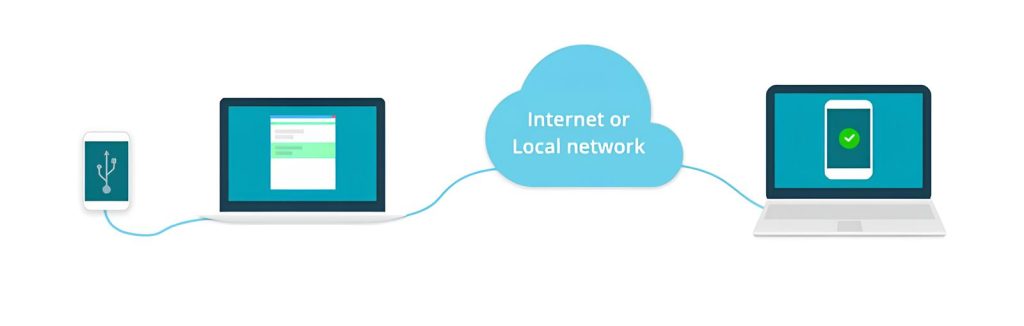
A phone being debugged from a remote laptop

Debug and diagnose USB-compatible devices remotely. USB Network Gate allows a company to keep all its dedicated testing hardware in the same place, and make it available to programmers at any time from their desktop.

USB Network Gate Features

USB Network Gate is a fully cross-platform app that supports Windows, macOS, Linux, and Android. It can also be installed on ARM Linux devices, which includes Raspberry Pi. USB Network Gate works on local networks, and, with proper setup and resources, will also work over the Internet. This is what makes it so flexible, and USB virtual port creation ties it all together.

The virtual ports will come in handy, since a single USB Network Gate license allows 10 devices to be shared at the same time. There is a 14-day free trial available to test our app with your setup. USB Network Gate offers:

  • Connection optimization options
  • Hot swapping of USB devices
  • Traffic encryption and compression
  • Device isolation in multi-user environments


You can view the video below to see USB Network Gate in action, or use the step-by-step guide to share a device with its own virtual USB port.

How to Create a Virtual USB Port in USB Network Gate

1. Download the USB Network Gate installer for your OS.

2. Install it on both computers. Activate the client on the computer that will share USB devices.

3. On the sharing computer, switch to the Local USB Devices tab.

4. Click “Share” next to one of the devices.

5. The shared device can now be accessed from the Remote USB Devices tab by clicking “Connect”.

USB Network Gate will automatically create a virtual port for the remote device.

Frequently Asked Questions

Physical ports are handled by a motherboard, and accessed by a computer through driver software. To it, the port is simply a source of data packets. A virtual port imitates USB drivers to create an imaginary port with no physical input and passes data from a different source, such as a TCP socket, to said port.

In many cases, the only way is USB Network Gate! Virtual machines mostly rely on their own implementations of USB passthrough, which tend to be lackluster and not support many kinds of USB devices. However, if your device is supported, and it doesn’t work, you may need to change some settings – for example, see our articles on USB passthrough in VMWare and VirtualBox.