Looking to remotely access Android or connect to your computer on the go? We’ve rounded up the top Android remote access and control tools. Explore their standout features and find the solution that best fits your needs.
As more people and businesses rely on their mobile devices, having tools for Android remote control is becoming important. Whether you need to fix a problem on your phone, connect to a computer from your Android, or share USB devices over a network, different situations call for different apps and setups.
We’ll cover two main types of Android remote access in 2026:
- Remote Control and Desktop Access – letting you connect both ways between Android devices and computers
- USB-over-IP / peripheral sharing – letting you share USB devices from anywhere
We’ll look at the top tools and highlight the details that matter most when choosing the right solution.
Comparison Table: Android Remote Access Tools
| Software | Type | Platforms | Wireless | Remote Camera | Remote Keyboard/Input | Pricing |
| AirDroid Personal | Remote control | Android, iOS, Windows, macOS, Linux, Web | (native) | Free; ~$3.99/mo or ~$29.99/yr | ||
| AnyDesk | Remote control | Android, iOS, Windows, macOS, Linux, ChromeOS, Raspberry Pi, FreeBSD | (plugin may be required on Android) | ~$22–$30/mo (billed annually) | ||
| Splashtop | Remote control | Android, iOS, Windows, macOS, Linux, ChromeOS | ~$6/mo (personal) to ~$259–$399/yr (business) | |||
| TeamViewer | Remote control | Android, iOS, Windows, macOS, Linux, ChromeOS, Raspberry Pi | ~$24.90–$200+/mo | |||
| RustDesk | Remote control | Android, iOS, Windows, macOS, Linux | Free; Pro ~$9.90/mo (self-hosted) | |||
| Scrcpy | Remote control (ADB) | Windows, macOS, Linux | (ADB Wi-Fi) | Free (open source) | ||
| Chrome Remote Desktop | Remote control | Android, iOS, Windows, macOS, Linux | Free | |||
| USB Network Gate | USB sharing | Android, Windows, macOS, Linux | (device redirection) | ~$159.95 one-time | ||
| FlexiHub | USB sharing | Android, Windows, macOS, Linux, Raspberry Pi | (device redirection) | From ~$39/mo |
Top Android Remote Control and Desktop Access
Understanding Inbound vs. Outbound Connections
Inbound (remote support): A technician connects to an Android device to view the screen, interact with the UI, and adjust settings. This requires a remote-support app (e.g., TeamViewer QuickSupport or AnyDesk) and explicit user approval.
In 2026, full input control is increasingly governed by enterprise policies or manufacturer-specific plugins rather than simple app installs. On Android 16, the new ‘Private Spaces’ feature adds a significant layer of security; these encrypted sandboxes remain invisible to remote tools. If a troubleshooting task involves an app inside a Private Space, the technician will see a black screen unless the user provides explicit, per-session re-authentication to unlock that specific area.
Outbound (remote desktop): An Android device connects to and controls a Windows, macOS, or Linux computer. The target computer must have remote-desktop software installed, or services such as RDP enabled. This is generally easier to deploy because the Android device is acting as the client, and Android’s app-security restrictions are less limiting in that direction.
Key distinction: Inbound access to Android is more constrained because Android and OEM policies are designed to prevent unauthorized control of the device. Outbound remote desktop is usually simpler because the Android device is initiating the session and controlling a remote host rather than exposing itself to control
1. AirDroid Personal
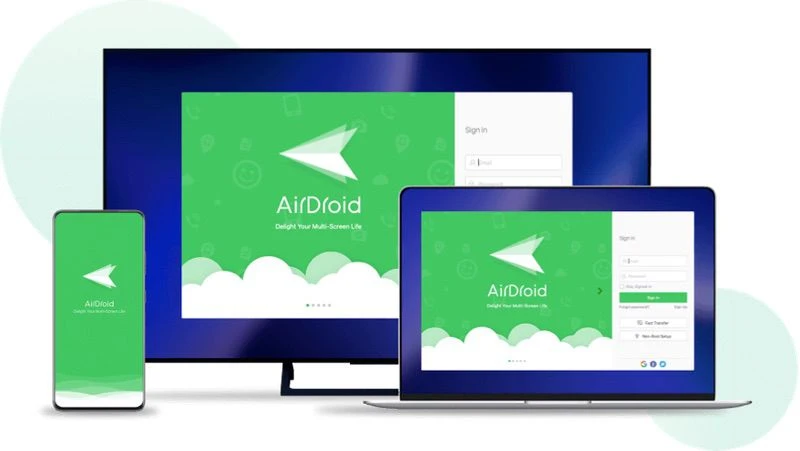
AirDroid is a web-based service that offers apps for Android, iOS, Windows, and macOS. It has desktop and mobile versions you can use to manage Android phones from anywhere. In addition to screen control, AirDroid is especially strong when it comes to handling files and changing device settings from afar. One feature that stands out is the option to begin remote control sessions without confirming on the device after initial setup, which is helpful if the screen isn’t responding.
Main Features:
- Wireless file transfers with simple drag-and-drop support
- Screen mirroring combined with remote control options
- Check notifications, read text messages, and handle calls right from your computer
- Remote camera access for basic security monitoring
- End-to-end encryption to protect data during transfers
- Browser-based access through a web client
Pricing: A free Basic plan with limited features, plus a Premium plan at $3.99 per month or $29.99 per year that unlocks unlimited transfers and full Android remote access.
Best for: Users who want strong file management tools along with what could feel like the best remote control app for Android for everyday use.
2. TeamViewer
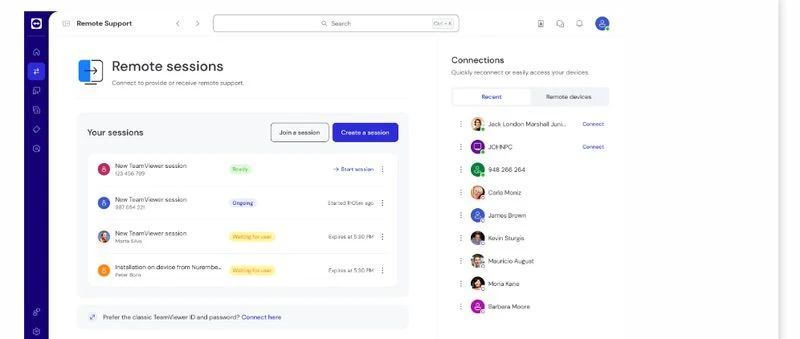
Many companies, especially the bigger ones, rely on TeamViewer for Android remote control. It allows users to transfer files and manage computers remotely from Android devices. On top of that, it’s easy to use and takes security seriously.
Main Features:
- Works across multiple platforms (Windows, macOS, Linux, Android, iOS, Chrome OS, Raspberry Pi)
- Remote printing from Android or PC
- Wake-on-LAN support to power up devices remotely
- Manage several devices from a single dashboard
- Strong security with 256-bit AES encryption and two-factor authentication
- Online meetings and team collaboration tools
Pricing: TeamViewer offers a free version for personal use, though sometimes it might think you’re using it commercially and ask you to subscribe.
- Single-User Plan: $49/month (1 user, 1 session)
- Multi-User Plan: $99/month (multiple users, 1 session)
- Teams Plan: $199/month (multiple teams, 1-3 sessions)
Best for: IT teams who need a safe way to manage devices remotely.
3. AnyDesk
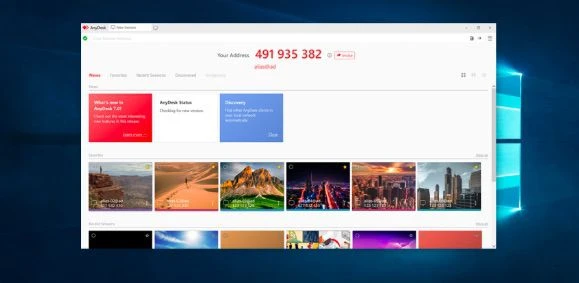
AnyDesk gives smooth, low-latency remote access from an Android phone, making it handy for personal use and professional remote support. It works well even on mobile networks, so it’s the best remote control app for Android for field support or troubleshooting while on the go.
Main Features:
- Exceptional low-latency performance
- Cross-platform support
- Reliable even on mobile networks
- End-to-end encryption for secure connections
- Lightweight and easy to install
Pricing:
AnyDesk offers the following pricing plans:
- Solo: $23.12 per month
- Standard: $39.92 per month
- Advanced: $89.52 per month
- Ultimate: Enterprise plans have custom pricing that’s based on the business’s needs
Best for: Situations that need low-latency connections and reliable performance over mobile networks.
4. Splashtop
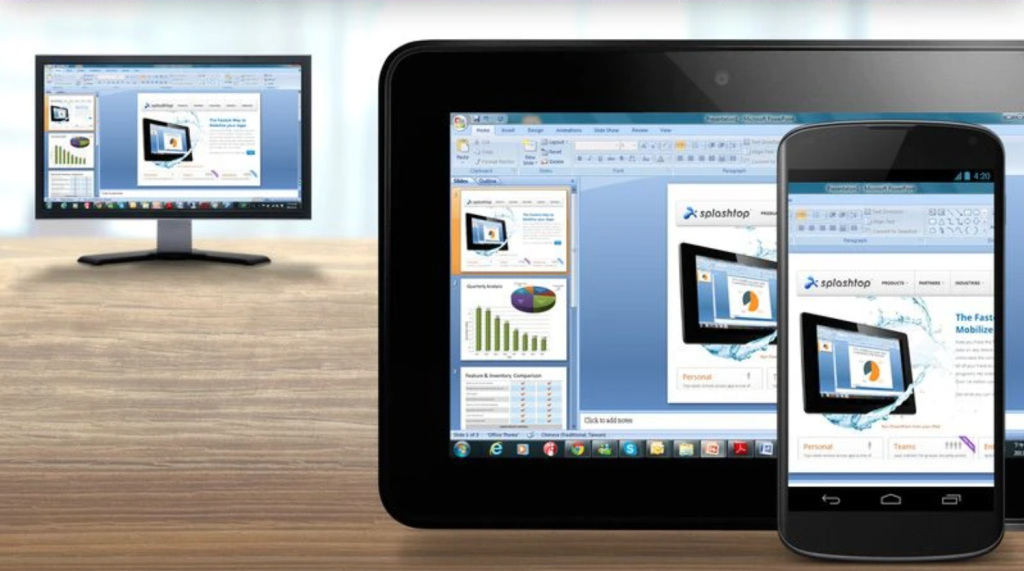
Splashtop is mainly business-oriented, offering remote access to your personal computers and unattended Android access. It supports remote technical emergencies and is versatile in its use cases. In addition to remote access, Splashtop is known for its high-definition video and audio streaming capabilities, making it ideal for presentations and multimedia use.
Main Features:
- High-quality HD streaming
- Works across multiple platforms
- Remote printing support
- File transfer capabilities
- Multi-monitor support
Pricing:
- Remote Work & Access: $60–$149/year per user for unattended remote access
- Remote IT & Support: $259–$399/year per technician for unlimited attended support and access to 10–300 computers
- Education: $29.99/year per teacher for screen sharing and classroom tools
All plans include a 7-day free trial.
Best for: Users looking for a smooth Android remote control for tasks that demand a lot of graphics.
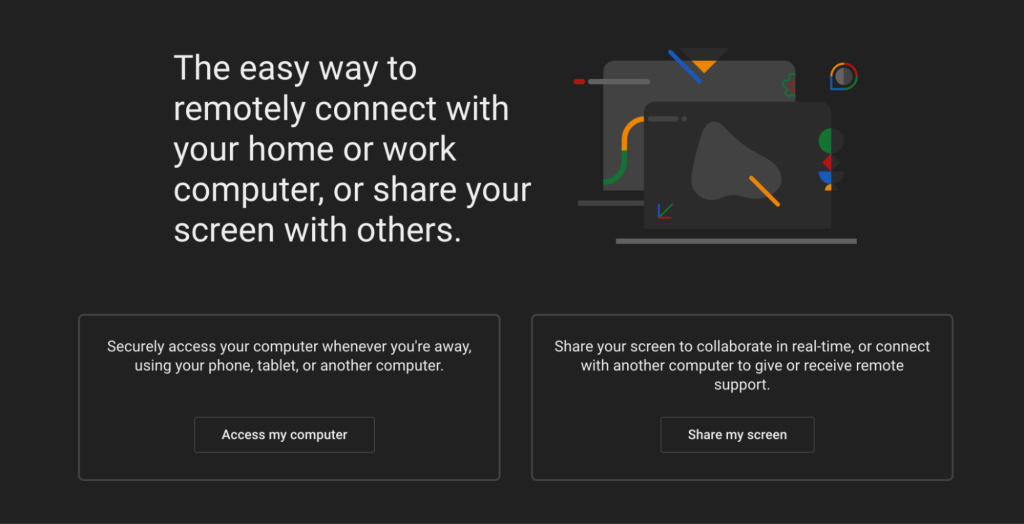
5. Chrome Remote Desktop
Google’s free Chrome Remote Desktop tool works on multiple platforms and is very easy to set up. It doesn’t have some of the advanced features that paid options offer, but its simplicity and zero cost make it a popular choice for personal use.
Main Features:
- Free for everyone
- Access through a web browser
- Quick and simple setup
- Works across different platforms
Limitations: basic feature set compared to paid alternatives
Best for: Personal users who want the best remote control app for Android that’s free
6. Scrcpy
Scrcpy is an Android remote control app that lets you manage and mirror your phone from your PC. You can connect your mobile device to your computer and display its screen easily using Scrcpy Android. It’s also lightweight and doesn’t require root access on Android devices. Because of its simplicity and efficient performance, Scrcpy is popular with developers.
Main Features:
- High Performance: Low-latency control over Android devices, making it ideal for developers.
- No Root Required: Works without rooting, so it’s safe and easy for general users.
- Cross-Platform: Available for Windows, macOS, and Linux.
- Pricing: Completely free and open-source.
Best For:
- Developers and techies who just want an app that they can use to control their Android and that they can easily set up.
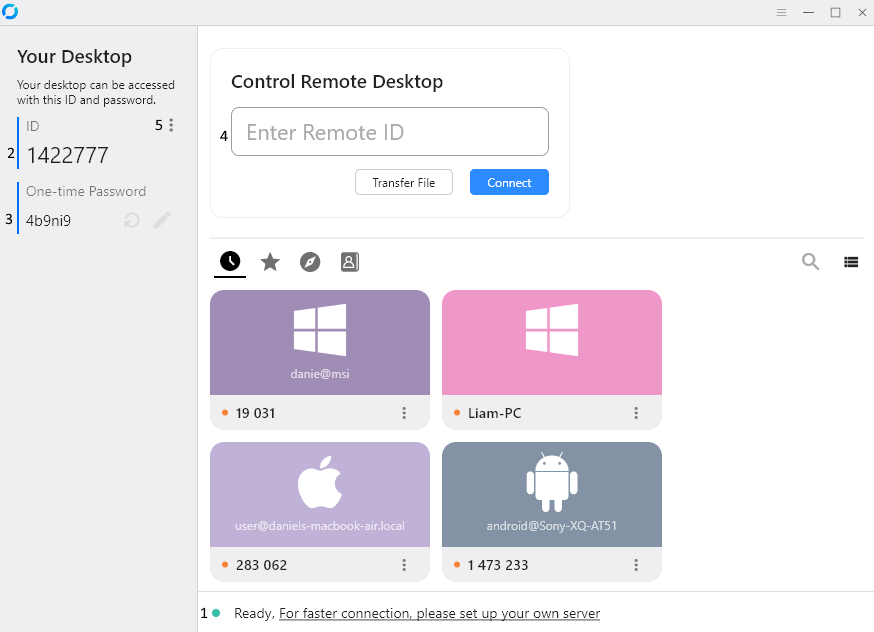
7. RustDesk
RustDesk is a free, open-source way to access your computer remotely — an easy alternative to pricey commercial tools. You can run it on your own servers, so you’re fully in charge of your data and setup. It’s great for organizations that care about privacy or anyone who wants to skip subscription fees.
Key Features:
- Open-source, and lets you run your own servers, so your data stays yours.
- Runs on all the main platforms: Windows, Mac, Linux, Android, and iOS.
- Performs smoothly with very little lag, even on tricky networks.
- Everything’s encrypted end-to-end (AES-256) for privacy and security.
- No account needed for basic use
- File transfers and clipboard sharing
- TCP tunneling support
- Professional version with extra features
Pricing:
- Free: Fully functional open-source version with self-hosting option
- RustDesk Pro: Starts around $8/month for a hosted service. It includes extras like syncing your address book and managing multiple devices.
Best for: Privacy-conscious users, organizations wanting self-hosted solutions, and those seeking a free alternative to commercial remote desktop tools
Accessing USB Devices Remotely with Android
This category focuses on hardware-level remote access on Android, enabling USB devices connected to an Android device to be shared over a network instead of controlling the interface. USB-over-IP virtualizes physical connections, allowing remote systems to use peripherals as if they were locally attached.
How It Works on Android
Using USB OTG, an Android device connects to a USB peripheral (e.g., a dongle or printer). A dedicated app then shares this device over the network, making it accessible from a remote computer. Depending on the setup, root access or elevated permissions may be required for full functionality.
Use Cases
- Remote hardware access: Share USB devices connected to an Android device across locations
- Fieldwork: Use an Android device to access security dongles or specialized USB tools remotely
- Development and testing: Leverage Android devices to connect and share physical USB hardware for debugging and integration
1. USB Network Gate
USB Network Gate lets you remotely access Android devices from your computer using USB over the internet or a local network. It works on Windows, Mac, Linux, and Android, and also provides a range of features for remote access. On top of that, you can access USB devices plugged into your Android over the network. OTG stuff works too, so your computer sees them like they’re plugged in right there.
USB Network Gate Features
- Remote USB Device Sharing: Share USB and serial devices over the network. That way, your Android can use stuff like printers, scanners, or external drives.
- Cross-Platform Compatibility: Runs on Windows, Mac, Linux, and Android, so everything works together nicely.
- SSL Encryption: Keeps your data safe with SSL encryption and password protection.
- Support for Virtual Machines: You can reach USB devices on virtual machines (Windows or Linux) from your Android.
- Multiple Device Sharing: Share up to 10 USB devices at once from a single computer.
- Free Trial: Try it out for free before deciding to buy the full version.
- Enterprise Customization: Company license includes SDK and source code access to let businesses integrate and tweak the solution.
USB Network Gate Pricing Plans
- Single License: $159.95/one time for sharing up to 10 USB devices on one computer
- Company License: Custom pricing for large organizations, including SDK integration and Source Code Access for complete personalization
Pricing: A single license costs $159.95/license
Best for: Organizations that need reliable USB sharing on different platforms.
Take a look at this tutorial on using USB Network Gate with your Android phone:
Steps to access Android from a PC remotely
1. Download USB Network Gate. Install it on both the local and remote computers after that.
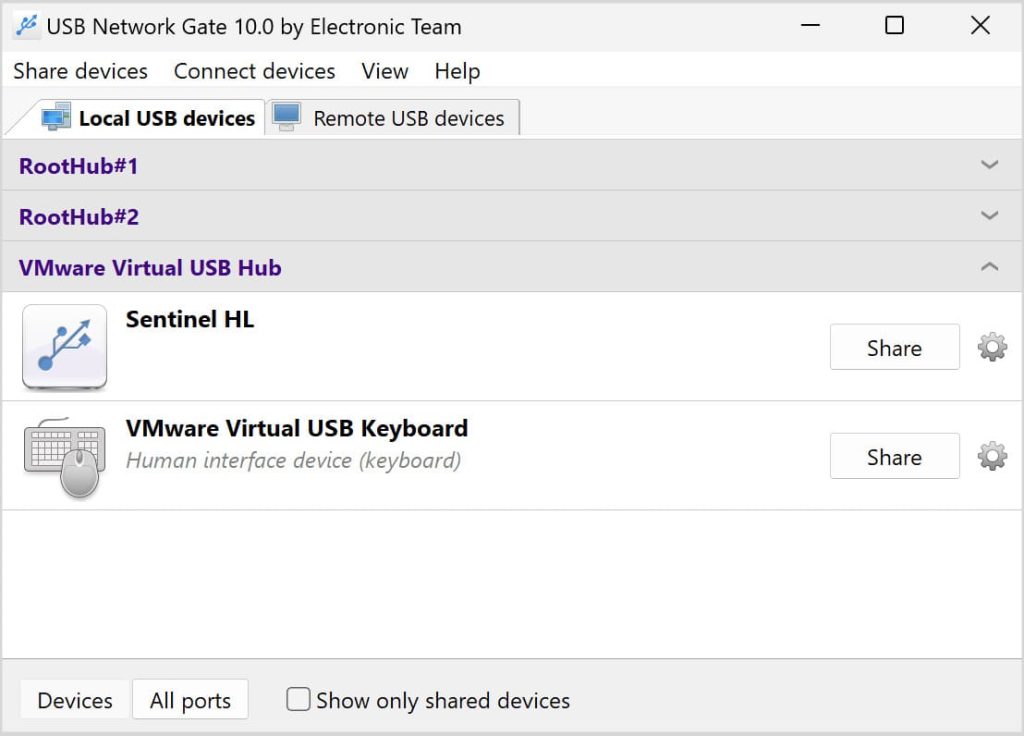
2. Open the app and then connect your Android phone to the computer. In the app’s interface (under the “Local USB devices” tab), click “Share” to allow remote access to the Android phone.
3. On another computer, launch the app and go to the “Remote USB” devices tab. Your Android device should appear and be ready to connect.
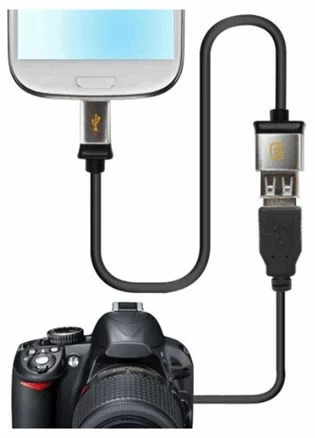
With the Android remote access app, you can share any USB devices connected to your phone through OTG. The computer will see them just like they’re plugged in directly, and you can use them the same way you would with the desktop app.
How to connect to Android devices remotely
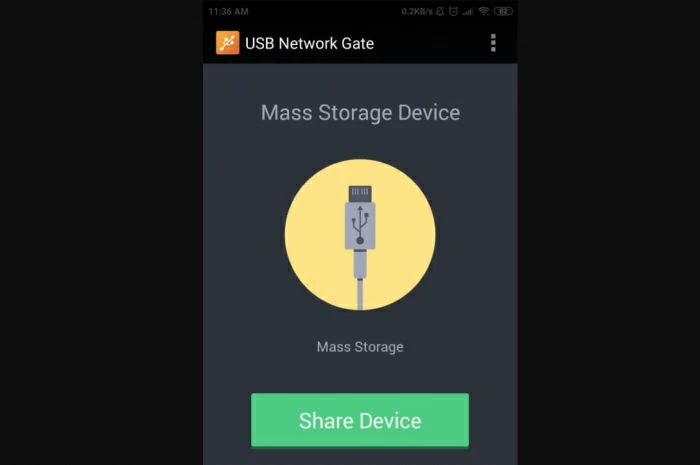
These are the steps to make a USB device on your Android phone available over the network via OTG:
1. Download the Android version of USB Network Gate onto your remote device.
2. The app will install automatically on your Android phone.
3. Grant root access to USB Network Gate, since it needs it to work properly..
4. Plug in the USB device to your Android phone. Then, tap “Share Device” in the app. It’s now ready to use!
2. FlexiHub
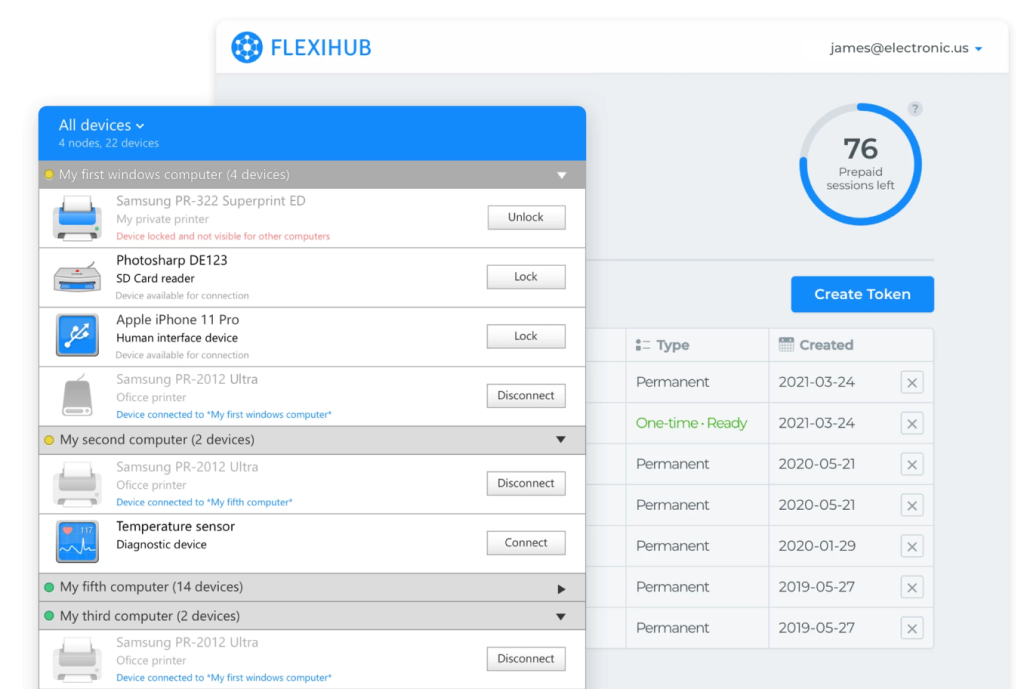
FlexiHub makes it easy to share Android peripherals using a cloud-based system. It’s especially suitable for testing and debugging Android devices from anywhere as long as you have an internet connection.
Main Features:
- Cloud-based sharing of USB devices
- Advanced encryption for secure connections
- Device status monitoring
- Support for multiple users
- Works across different platforms
Pricing: Starts at $39/month (Personal), with Team and Business plans available
Best for: Teams and collaborative environments that need Android remote access to USB devices
A video tutorial on how to use FlexiHub for Android devices:
Common Challenges and Solutions
You can plan and choose the right solution for your needs if you know the possible challenges that you may face.
Remote Control and Desktop Access Challenges
- Samsung Knox restrictions: Samsung devices with Android 15 or higher restrict remote access unless they’re managed through an MDM system. This is what organizations using Samsung devices should plan for.
- App installation requirements: Most remote support tools need apps installed and permissions enabled. Because of this, it can be tricky if you’re not very tech-savvy.
- Device compatibility: Not every tool works on all Android models. For example, those with extra security like Samsung Knox or Huawei’s custom settings.
- Mobile interface limitations: Controlling a full desktop on a mobile device can be tough on small screens, particularly for detailed tasks.
- Touch control precision: Using touch to control a remote desktop isn’t as precise as a mouse and keyboard.
- Network dependency: Remote access depends a lot on your network. Slow connections or low bandwidth can make things lag or harder to use.
Security Considerations for Android Remote Control and Access
Whatever tool or method you use, make sure security comes first when setting up Android remote access. These are some main practices to follow:
- End-to-end encryption: Use strong end-to-end encryption on all remote connections to protect your sensitive data.
- Multi-factor authentication: Add MFA for better security, especially in enterprise settings.
- User consent: Make sure you get the user’s permission before starting a remote session. This helps respect their privacy and stay compliant.
- Session logging: Make a note of everything that happens during remote sessions. That way, you can audit activity and monitor what’s happening.
- VPN usage: Route outbound desktop connections through a VPN for extra protection.
- Firewall configuration: Set up firewalls to only let trusted devices and networks connect, particularly for computers that accept inbound access.
Conclusion
Android remote access covers a wide range of use cases, from IT troubleshooting and remote work to sharing USB devices across locations. The key to getting value from it is choosing the right approach, whether that’s inbound support for fixing issues, outbound desktop access for working remotely, or USB-over-IP for handling peripherals.
Security should always come first with strong encryption and multi-factor authentication, especially for workplace use. Hardware and OS support is also worth checking, since Samsung Knox can restrict how some tools function. Free options like Chrome Remote Desktop and Scrcpy are usually enough for individual users. Meanwhile, paid tools are a better match for teams that need more advanced capabilities and assistance.
Testing tools through free trials is the best way to confirm performance and fit before fully adopting them. Selecting the right solution and applying solid security practices turns Android remote access into a practical way to boost productivity and teamwork in a mobile-first world.
FAQ
Yes, there are free remote desktop apps available for Android, such as Chrome Remote Desktop and Microsoft Remote Desktop. In addition, many popular tools offer free plans or tiers (for example, for personal use), making them accessible without upfront cost.
However, free versions typically come with limitations, such as restricted features, session limits, or fewer security and management options. For professional or business use, paid plans are usually a better fit, offering greater reliability, advanced functionality, and dedicated support.
There’s no single “best” app, the right choice depends on your specific needs. Tools like TeamViewer and AnyDesk are among the most popular thanks to their reliability, cross-platform support, and strong feature sets for both personal and professional use.
For simpler, free access, Chrome Remote Desktop is a solid option. If you need hardware-level access, solutions like USB Network Gate allow you to connect to Android devices from a computer by sharing USB devices over the internet or a local network.